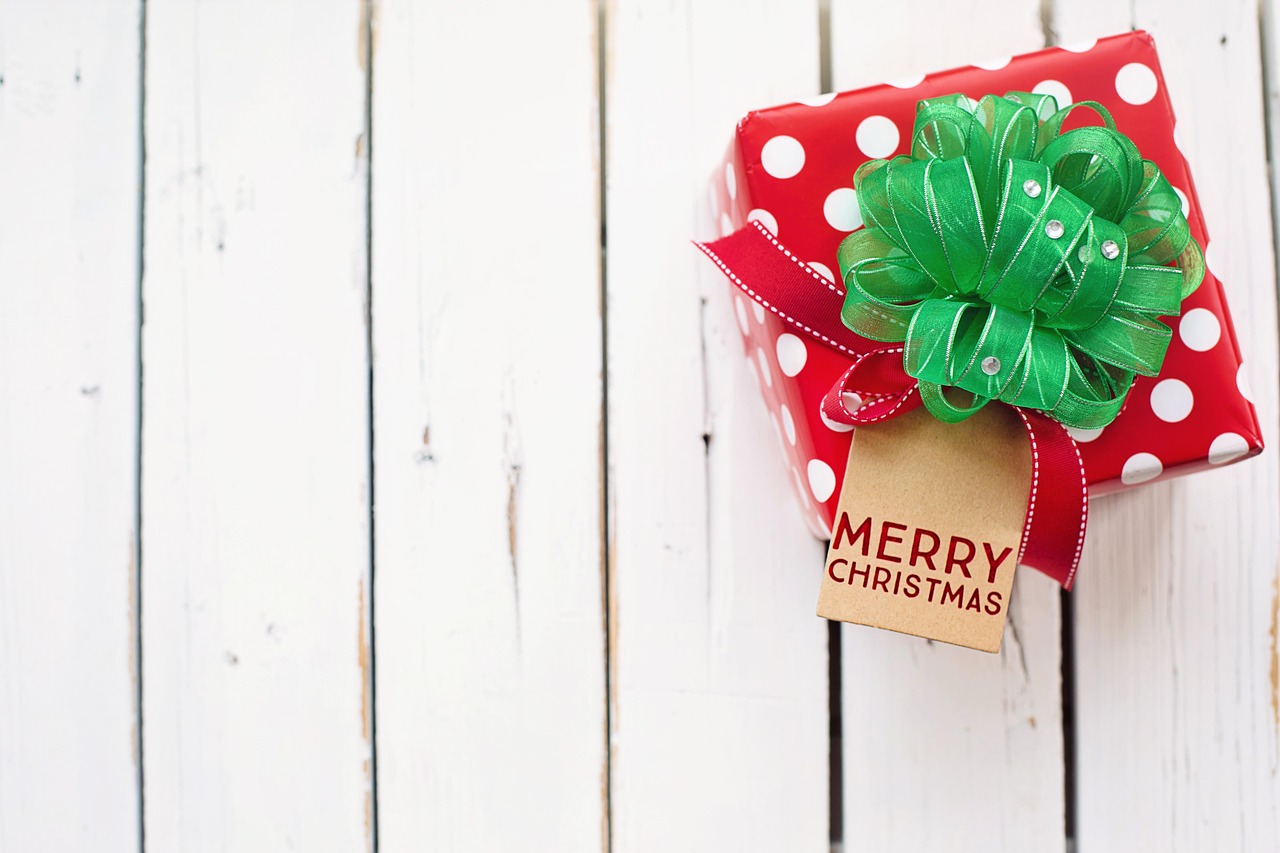
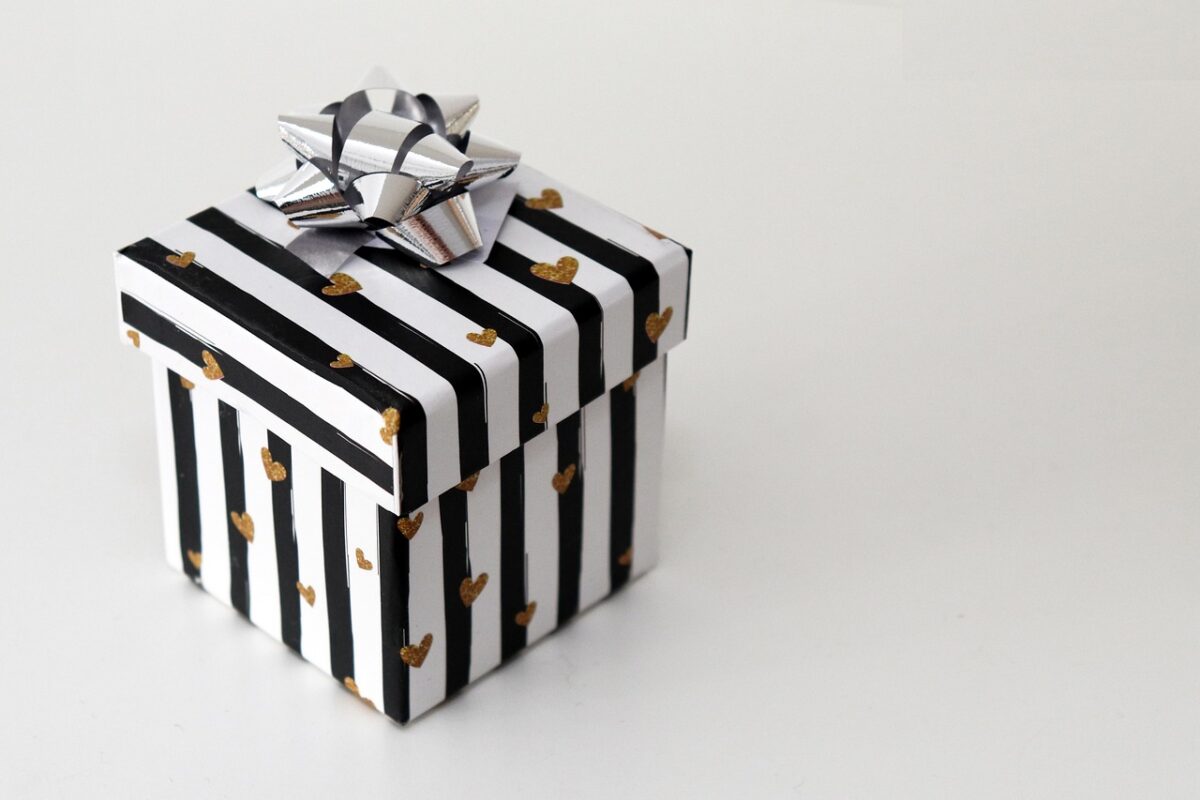
Presentation does a disproportionate amount of work on small gifts. The same keyring loose on a plate and the same keyring in an organza bag with a hand-written tag are read as two different price points. The difficulty is that wrapping small things at volume is fiddly, and most people discover that at the point where they have ninety left to do.
Choose the container before the item
Organza bags, pillow boxes and clear cello bags all suit different shapes. Organza forgives irregular objects and looks soft; pillow boxes suit flat items and stack beautifully; cello is cheap, shows the product and looks utilitarian unless it is finished well.
The mistake is buying a bag that only just fits. A container an inch larger than it needs to be is far quicker to load, and quicker matters when you are doing it a hundred times.
Set up stations, not a production line of one
Do not finish each favour end to end. Lay out the components across a table and do one operation across the whole batch: all bags open, then all items in, then all tags threaded, then all ribbons tied. It feels slower for the first five and is dramatically faster by the fiftieth.
If two people are working, give them different operations rather than half the pile each. One person opening and loading while another ties will outpace two people doing everything.
Tags: write before you tie
Hand-writing a name on a tag that is already tied to a bag is genuinely unpleasant. Write everything first, on a flat surface, with the tags in the same order as your guest list. If the tags are escort cards with table numbers, sort by table before you write and you will not have to re-sort afterwards.
Use a pen that dries fast. Gel and fountain inks smudge against organza, and a smudged escort card is not something you can fix.
Ribbon length
Cut one ribbon, tie it, and then measure what you actually used before cutting the rest. Most people cut far too long, which wastes ribbon and produces a bow that hangs untidily. Cutting in a stack with scissors leaves frayed ends; a rotary cutter or a sharp blade against a board is faster and cleaner.
Where ribbon comes with a set, you get the length the manufacturer supplied, so do a test tie before assuming you can afford a generous bow.
Protecting scent and finish
Anything scented — hand cream, lip balm, soap, a candle — should go into its container last and be kept away from paper tags until then. Paper picks up scent quickly and a lavender-smelling thank-you card is a slightly odd experience for a guest.
Glass and mirrored items should be wiped with a dry cloth as they are bagged. Fingerprints do not show under a warehouse light and show under every light at a reception.
Estimating the time
Assemble five complete favours and time it. Multiply by your quantity and add a quarter. That number is how long the job takes, and it is almost always more than people expect. Knowing it a fortnight ahead is the difference between an evening’s work and a late night before the event.
What to have spare
- Ten spare bags, tags and ribbon lengths in a pocket for the day.
- A dry cloth for glass and metal.
- A fast-drying pen that matches the one you used.
- A flat rigid box for transporting the finished favours.
Most of our favour sets state on the listing whether bags, tags and ribbon are included, so you can decide before ordering whether wrapping is a job or a non-event.
A realistic timetable
For a hundred favours with four components, plan two sessions rather than one. The first is preparation: unpack everything, write all the tags, cut all the ribbon, and lay out the stations. The second is assembly, which with two people working different operations takes about an hour once everything is prepared. Splitting it that way turns a long, irritating evening into two short ones and dramatically reduces the number of mistakes.
Do the preparation session at least a week ahead. It is the part that uncovers problems — a short component, the wrong tag type, ribbon that is too narrow for the punched hole — and a week is enough time to fix any of them.
Common finishing mistakes
- Tying the bow before checking the item sits flat in the bag.
- Threading a tag onto the ribbon after tying, which means untying it again.
- Cutting all the ribbon before testing one length.
- Writing names in the order of the guest list rather than the seating plan.
- Assembling scented items alongside paper tags.
None of them is serious on its own. All of them are slow, and at a hundred units slow becomes the whole evening.